


Membrane Bioreactors (MBR) for wastewater treatment is a combination of a suspended growth biological treatment method, usually activated sludge, with membrane filtration equipment, typically low-pressure microfiltration (MF) or ultrafiltration (UF) membranes.It is now widely used for municipal and industrial wastewater treatment.
TFT has experience on ceramic membrane technology for over twenty years. We develope different kind of ceramic membranes like tubular CRM membrane, FCM flat sheet membrane and PCR honeycomb membranes. CRM tubular ceramic membranes have been applied for sidestream MBR application like landfill leachate treatment. In recent year, more and more FCM flat membranes have been used to replace polymeric MBR system in heavy fouling waste water projects.
TFT has experience on ceramic membrane technology for over twenty years. We develope different kind of ceramic membranes like tubular CRM membrane, FCM flat sheet membrane and PCR honeycomb membranes. CRM tubular ceramic membranes have been applied for sidestream MBR application like landfill leachate treatment. In recent year, more and more FCM flat membranes have been used to replace polymeric MBR system in heavy fouling waste water projects.
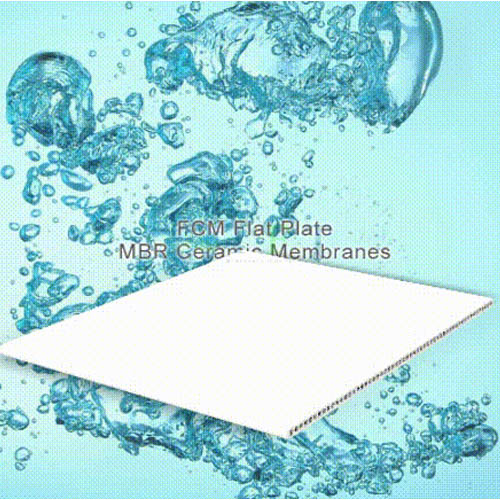
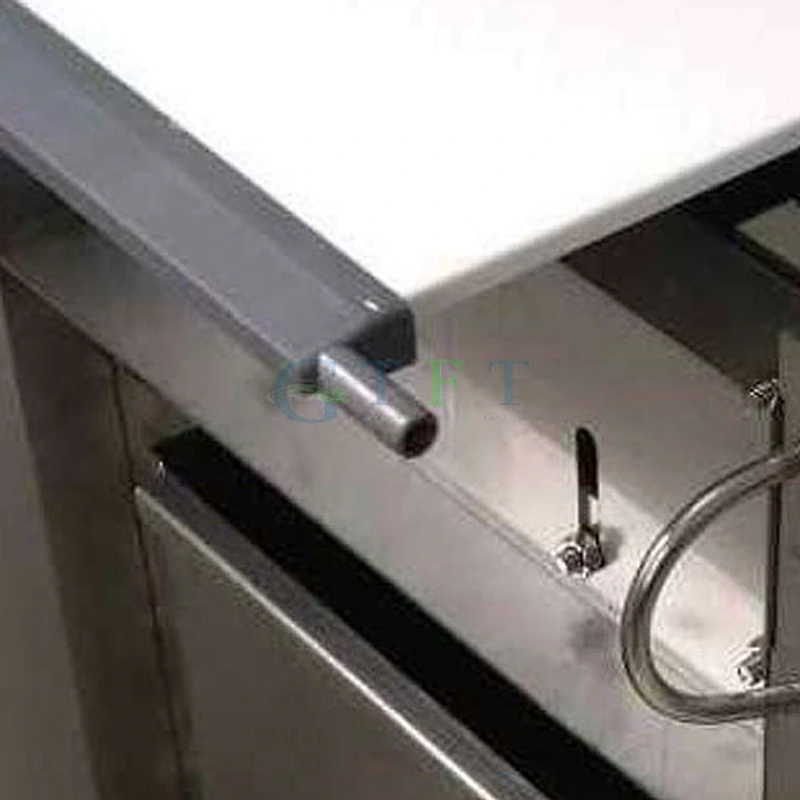
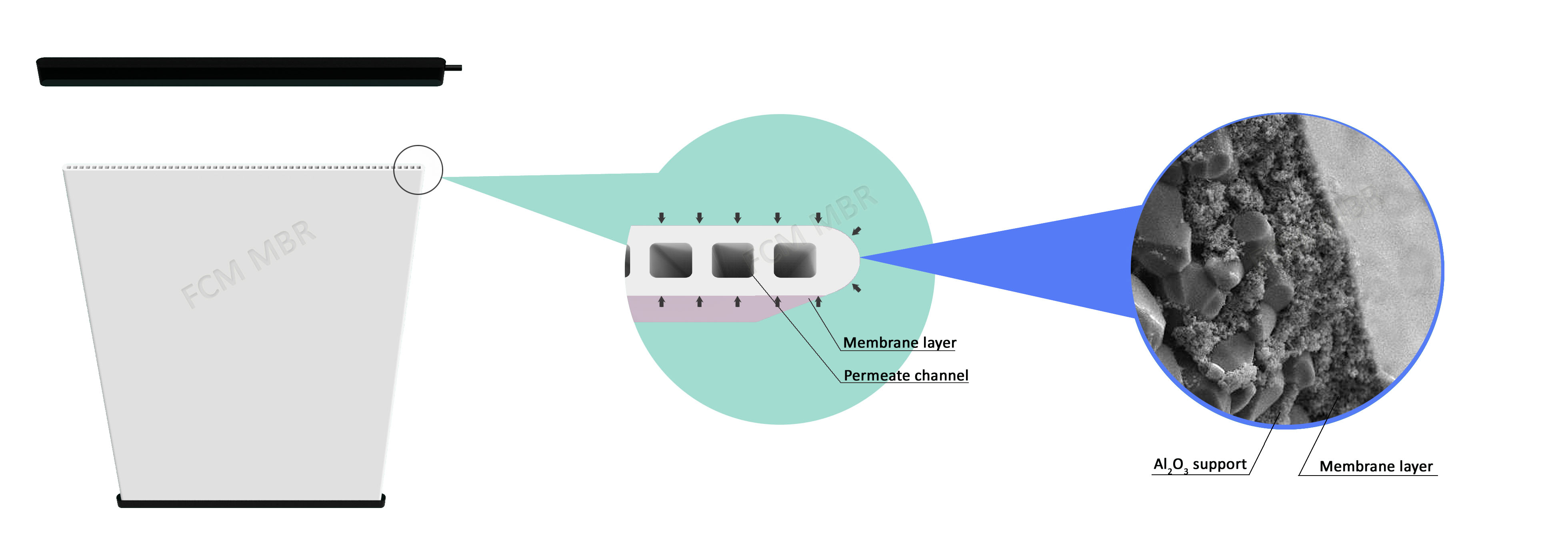
》FCM Flat Sheet Ceramic Membrane Structure
* High strength, acid and alkali corrosion resistance.
* High durability and long work life which is 2-3 times longer than polymeric membrane.
* Wide application range of water temperature.
* Environmentally friendly, can be recycled as a raw material for ceramic products.
* Good hydrophilicity, low operating pressure, saving energy.
* Diversified cleaning methods, surface is smooth, and the attachments are easy to fall off, good recovery.
* Automated management, easy maintenance.
.png)
.png)
.png)
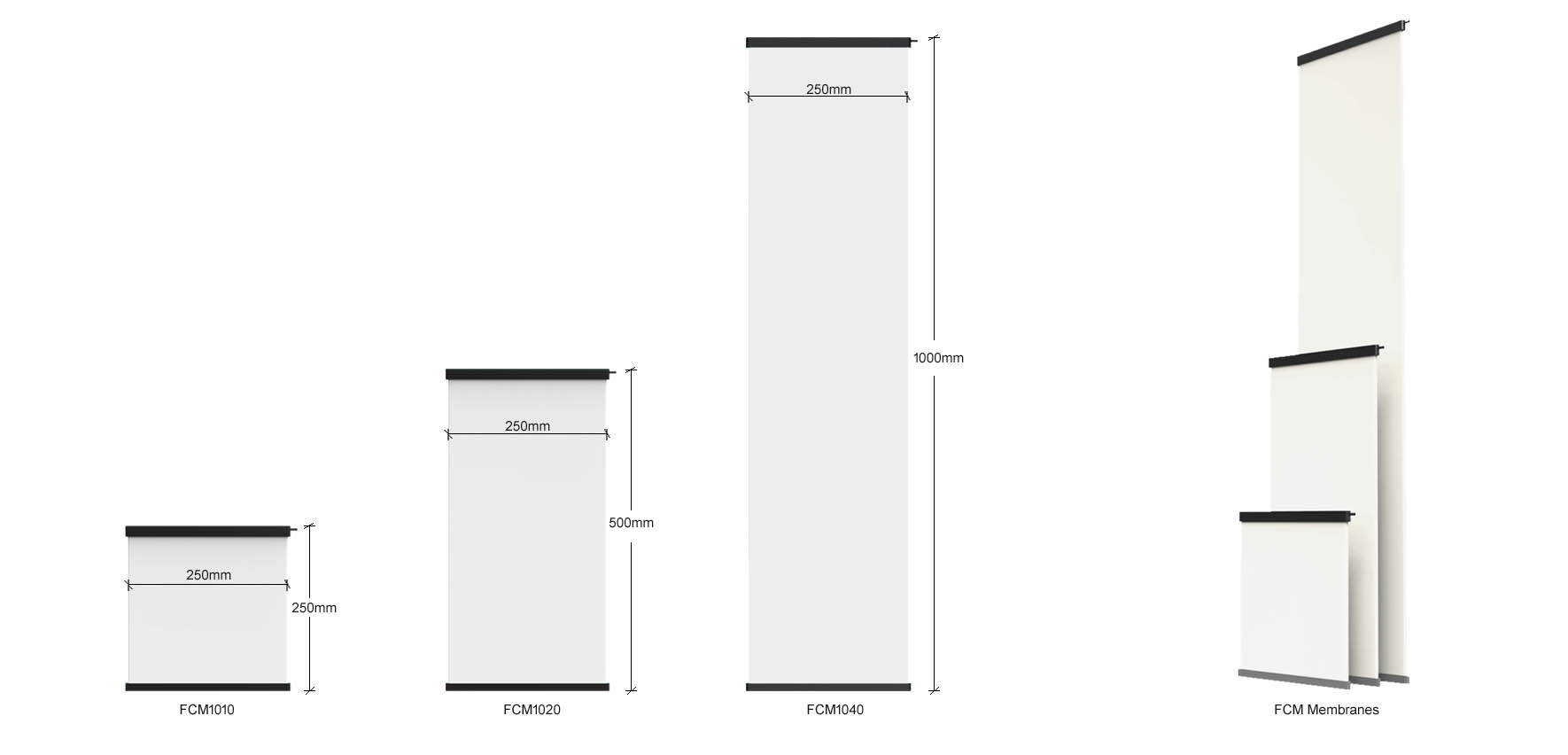
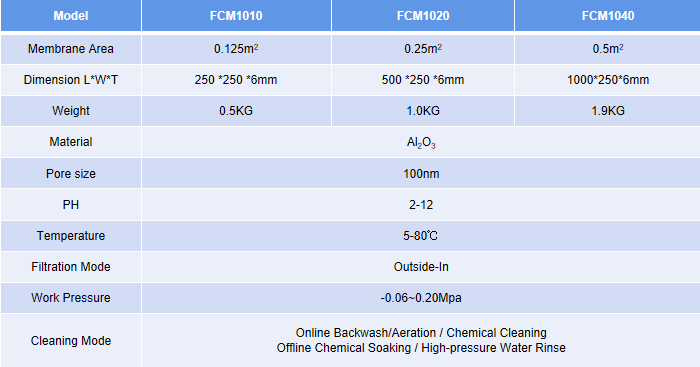
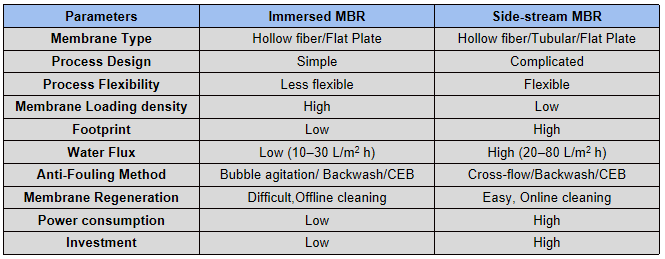
The MBR membranes are used to perform the critical solid-liquid separation function. In activated sludge facilities, this is traditionally accomplished using secondary and tertiary clarifiers along with tertiary filtration. The two general types of MBR systems are Vacuum (or gravity-driven) and Pressure-driven systems. Vacuum or gravity systems are immersed and normally employ hollow fiber or flat sheet membranes installed in either the bioreactors or a subsequent membrane tank,normally called Submerged MBR. Pressure driven systems are in-pipe cartridge systems located externally to the bioreactor, normally called Sidestream MBR .
》MBR Membrane Comparision
To have a comparison of the characteristics and capabilities of the two configurations, a few points are given below where they are compared: - iMBR (Immersed MBR or Submerged) offers a lower cleaning frequency, and lower energy consumption, but, otherwise, sMBR (Side-stream MBR) can handle higher than iMBR MLSS (Mixed liquor suspended solids) concentration. For this reason, it is easier to carry out the maintenance operations and module replacements and cleanings since the system is more compacted.
》MBR Membrane Comparision
To have a comparison of the characteristics and capabilities of the two configurations, a few points are given below where they are compared: - iMBR (Immersed MBR or Submerged) offers a lower cleaning frequency, and lower energy consumption, but, otherwise, sMBR (Side-stream MBR) can handle higher than iMBR MLSS (Mixed liquor suspended solids) concentration. For this reason, it is easier to carry out the maintenance operations and module replacements and cleanings since the system is more compacted.
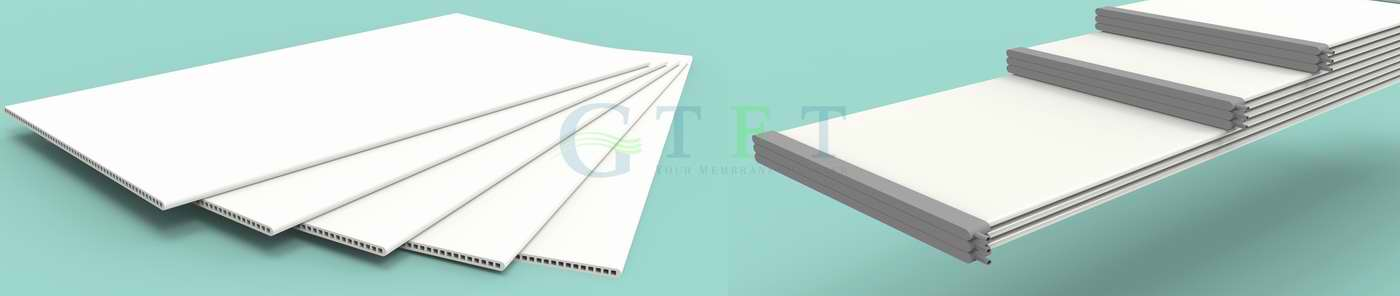
TFT FCM flat sheet ceramic membrane is made of Al2O3, which are characterized by their excellent chemical and thermal stability and their ability to withstand harsh chemical cleanings. It works in a similar way to polymeric flat sheet membranes. The separation layer of FCM flat sheet ceramic membrane is coated on the outer surface of support, therefore FCM flat sheet ceramic membrane run as Outside-In mode. In order to maintain the filtration ability and keep flux stable, aeration is usually used to reducethe fouling on the outer surface. FCM flat sheet ceramic membrane is more suitable for those cases under harsh conditions.
Application: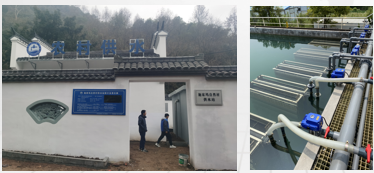
Application:
Rural Water Purification
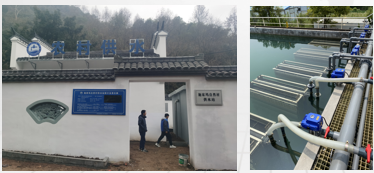
FCM Ceramic membrane can ensure high high quality water for rural water treatment. Turbidity of the effluent water is less than 0.1NTU. It is very easy for daily maitenance. Worklife of membrane is more than 10years.
Capacity:100-1000t/d
Process:Microflocculation +FCM Ceramic Membrane Ultrafiltration +Disinfection
Capacity:100-1000t/d
Process:Microflocculation +FCM Ceramic Membrane Ultrafiltration +Disinfection
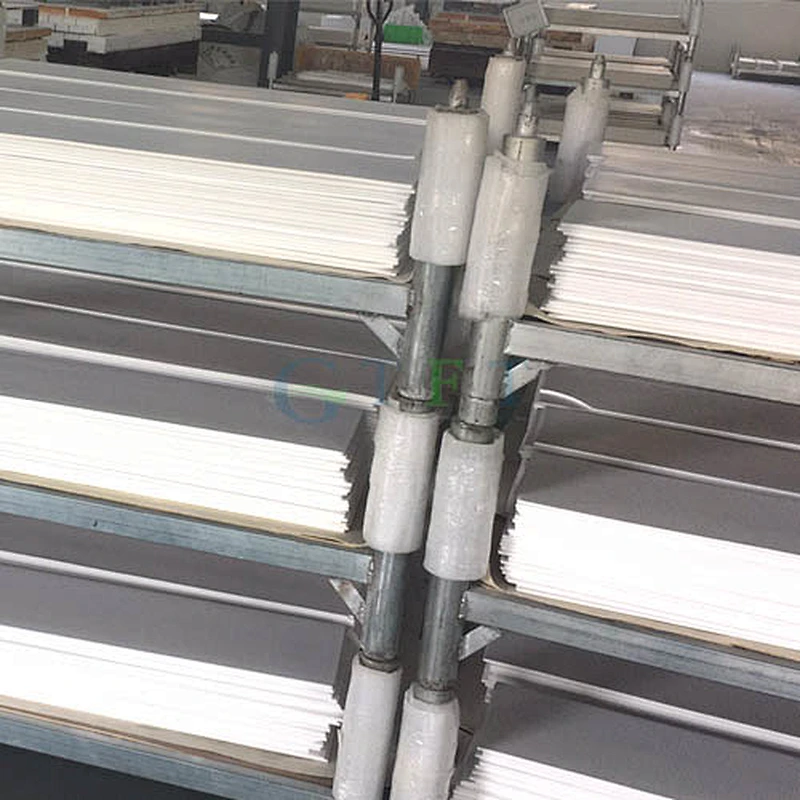
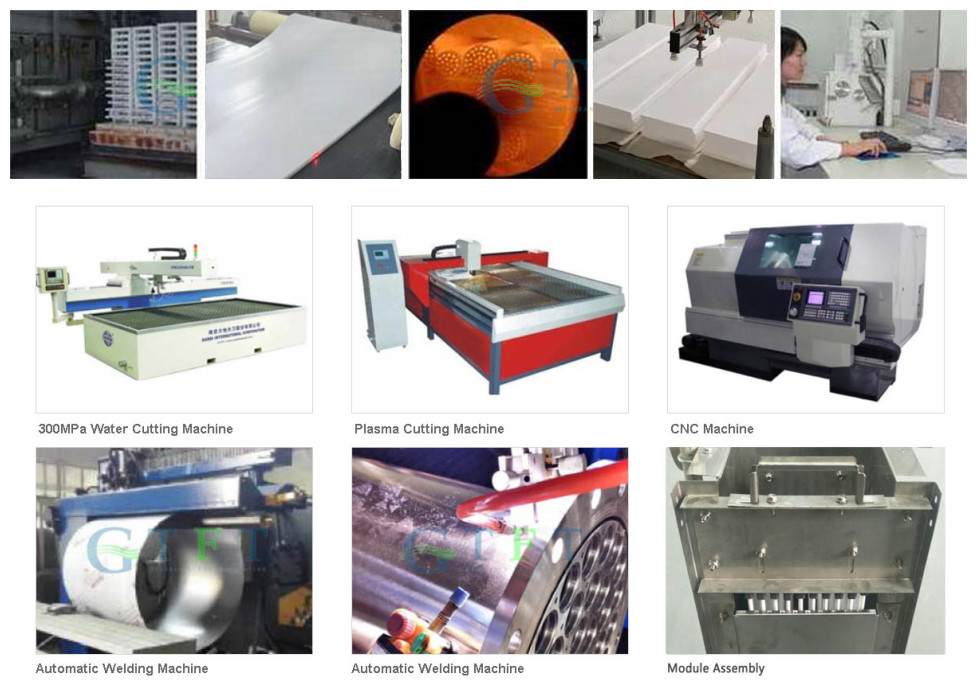
FCM Facility
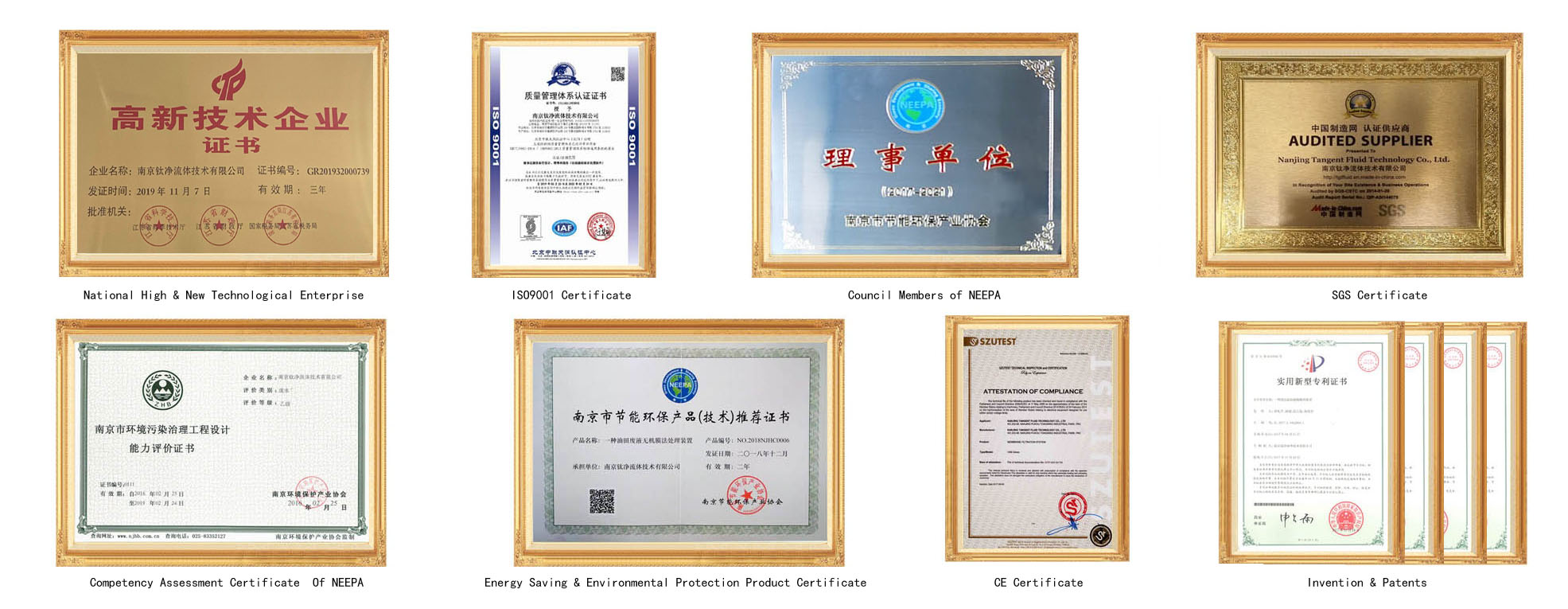
Honor&Certificate
Rural Water Purification
FCM Ceramic membrane can ensure high high quality water for rural water treatment. Turbidity of the effluent water is less than 0.1NTU. It is very easy for daily maitenance. Worklife of membrane is more than 10years.
Capacity:100-1000t/d
Process:Microflocculation +FCM Ceramic Membrane Ultrafiltration +Disinfection
Capacity:100-1000t/d
Process:Microflocculation +FCM Ceramic Membrane Ultrafiltration +Disinfection